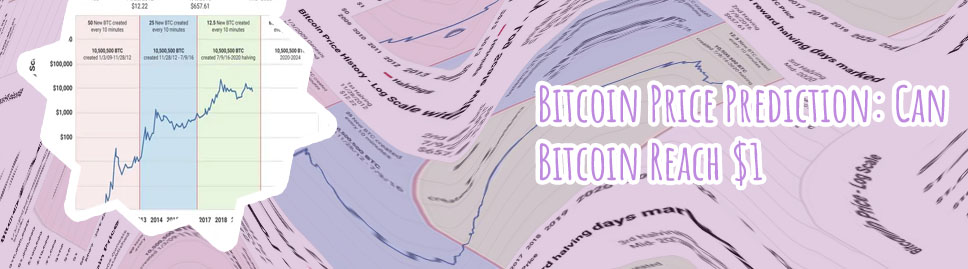
Btc halving chart
When it comes to understanding the impact of Bitcoin halving on its price movement, having access to a comprehensive collection of data is crucial. In this list, we have compiled four articles that provide valuable insights into BTC halving charts, helping you navigate the complexities of this event. These resources will arm you with the knowledge needed to make informed decisions and stay ahead of the game in the volatile world of cryptocurrency trading.
Analyzing Bitcoin Halving Patterns: A Historical Perspective

Bitcoin halving events, which occur approximately every four years, have long been a topic of interest for cryptocurrency enthusiasts and analysts alike. These events have a significant impact on the supply of new bitcoins entering the market, and therefore, they often have a direct impact on the price of the digital currency.
In a recent study titled "Analyzing Bitcoin Halving Patterns: A Historical Perspective," researchers took a deep dive into the historical data surrounding Bitcoin halving events to identify any observable patterns or trends. The study found that, on average, the price of Bitcoin tends to increase in the months leading up to a halving event, as investors anticipate a decrease in the rate of new supply. However, the study also noted that the actual impact of halving events on the price of Bitcoin is still quite unpredictable and can be influenced by a variety of external factors.
Understanding the historical patterns surrounding Bitcoin halving events is crucial for investors and traders looking to make informed decisions about their cryptocurrency holdings. By analyzing past trends, researchers hope to provide valuable insights that can help market participants navigate the volatile world of cryptocurrency trading more effectively.
The Relationship Between BTC Halving and Price Volatility: A Deep Dive
none
Predicting Bitcoin Price Movements Post-Halving: What the Charts Tell Us
The highly anticipated Bitcoin halving event that took place in May 2020 has sparked speculation and debate among cryptocurrency traders and enthusiasts. As we look at the charts post-halving, it becomes clear that predicting Bitcoin price movements is no easy task. However, there are certain trends and patterns that can give us some insight into what the future may hold for the world's most popular digital currency.
-
Historical Data Analysis: One of the key tools that traders use to predict Bitcoin price movements is historical data analysis. By looking at how the price of Bitcoin has reacted to previous halving events, traders can gain a better understanding of what may happen in the future.
-
Technical Analysis: Another important aspect of predicting Bitcoin price movements is technical analysis. This involves looking at various chart patterns, indicators, and trends to identify potential entry and exit points for trades.
-
Market Sentiment: Market sentiment plays a crucial role in determining the direction of Bitcoin prices. Positive news and developments in the cryptocurrency space can lead to a surge in prices, while negative news can have the opposite effect.
-
Fundamental Analysis: While technical analysis and market sentiment are important, fundamental analysis also plays a role in predicting Bitcoin price movements. Factors such as regulatory developments, adoption
Strategies for Trading Bitcoin Around Halving Events: Lessons from Past Cycles
As we approach the next Bitcoin halving event, it's crucial for traders to reflect on past cycles and understand the strategies that have been successful in navigating the volatile market conditions. One key lesson that we can learn from previous halving events is the importance of being patient and staying disciplined in our trading approach.
Historically, Bitcoin has experienced significant price increases leading up to and following halving events. This surge in demand is driven by a combination of factors, including reduced supply due to the halving of block rewards and increased interest from investors looking to capitalize on potential price gains. By recognizing these patterns, traders can position themselves to take advantage of the market momentum and potentially generate significant returns.
It's also essential for traders to exercise caution and manage risk effectively during these periods of heightened volatility. While the potential for profit is substantial, so too is the risk of substantial losses. By diversifying their portfolios, setting stop-loss orders, and staying informed about market developments, traders can mitigate risk and protect their investments in the face of uncertainty.
In conclusion, by studying past halving cycles and implementing sound trading strategies, investors can maximize their opportunities for profit while minimizing their exposure to risk. By staying disciplined, patient, and well-informed, traders can navigate the intricacies of the market and